Live Workshop

AI Career Mastery: Learn & Build

Sat 11 AM GST • Join this free workshop to know the best way to learn and use AI in your career and business. ⚠️ Only 2 seats left!

$20

Or Apply for Free

Register Now

Curriculum

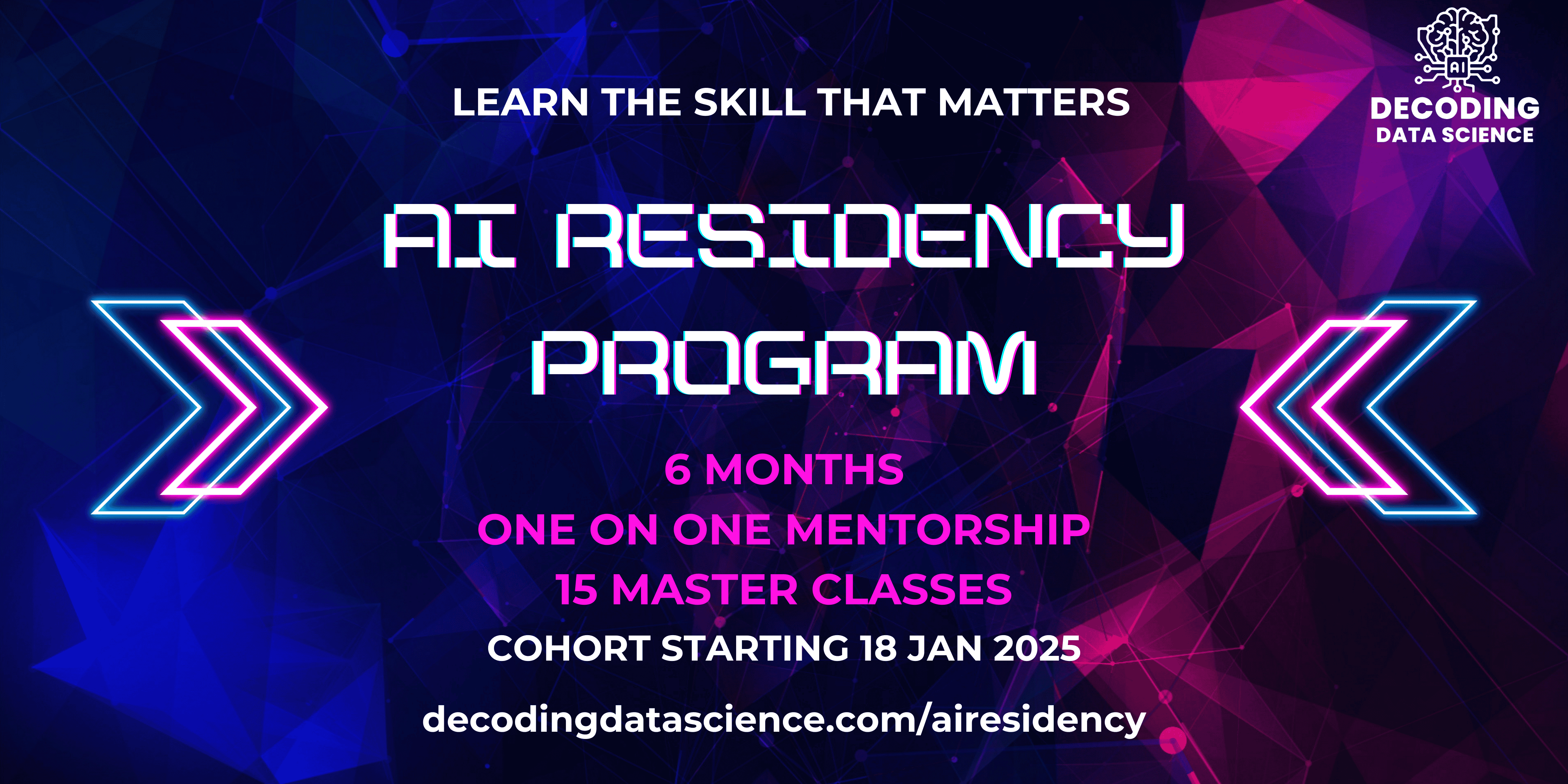
Intro to AI Residency

Curriculum/ Schedule

Generative AI ToolKit Submission

AI for Busy People Quiz

Github Profile Assignment

Fill in your Profile Details

[MC 1+] Exploring User Interface using Gradio

Submit Gradio Assignment

[E] Six Timeless Productivity Principles for Sustainable High Performance

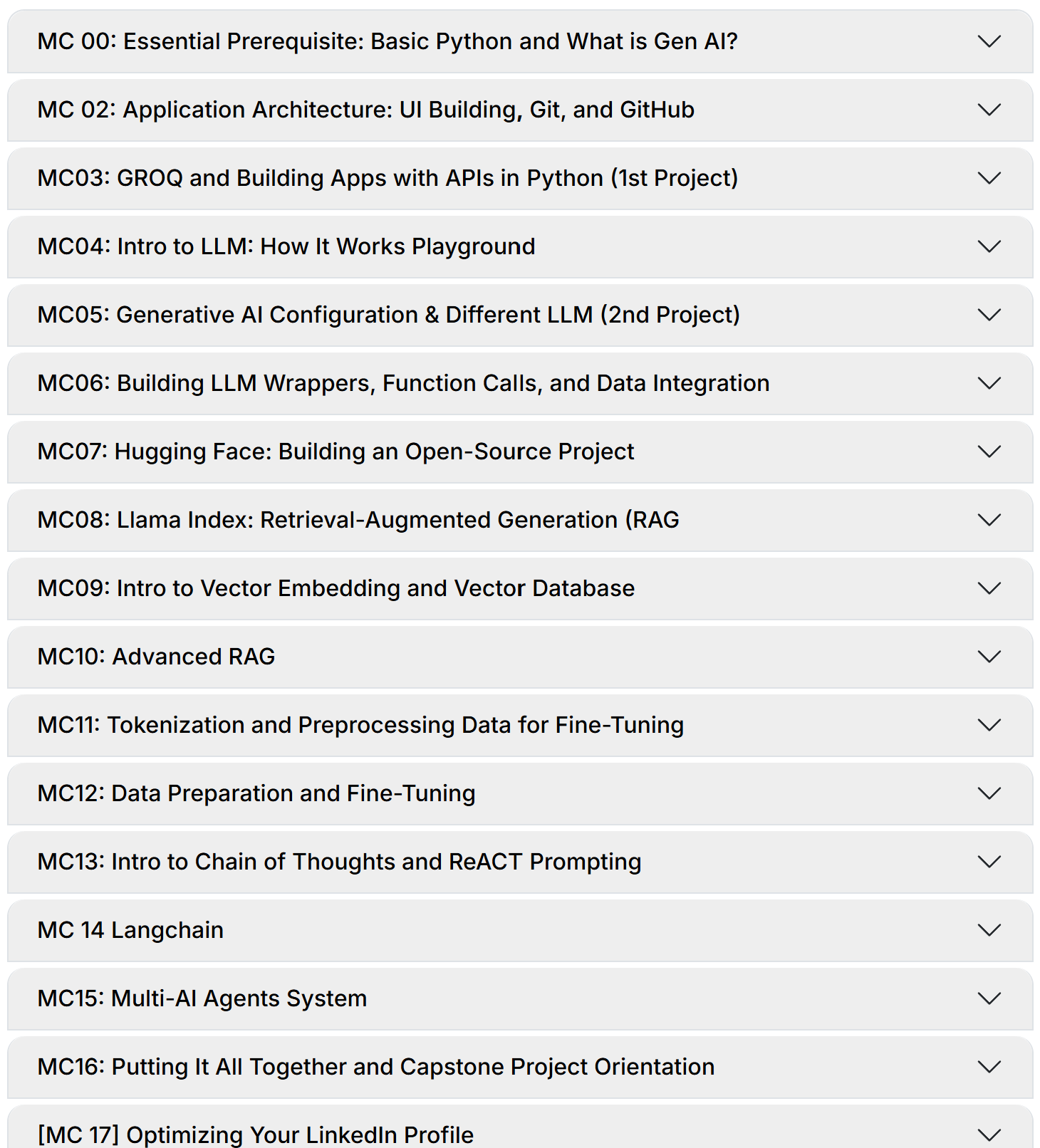
[ MC 01] Essential Prerequisite_ Basic Python and What is Gen AI

[MC 1+] How World Wide Web works

Assignment - First Python Bot

LLM Assessment

[ MC 02] Application Architecture_ UI Building, Git, and GitHub

[E] ikigai - Find your Purpose

[MC03] : GROQ and Building Apps with APIs in Python (1st Project)

[MC04] Intro to LLM_ How It Works Playground

[Workshop] Chat with Your Database – No Code, Just Questions

Git and Github Quiz

MC05: Generative AI Configuration | Playground to Code

Assignment - Python Chatbot

MC06_ Building LLM Wrappers, Function Calls, and Data Integration

[Mid Capstone Project] Weather or Stock Bot

[MC07] Hugging Face_ Building an Open-Source Project

MC08: Llama Index: Retrieval-Augmented Generation (RAG)

MC09: Intro to Vector Embedding Vector Database RAG

Assignment RAG

Assessment Vectordb & Advanced RAG

LLM Fine-Tuning and RAG Quiz

[MC 10] Why Fine Tuning, Data Preprocessing and Demo

MC11: Finetuning and Chain of Thoughts, ReACT Prompting

MC12: Langchain Ecosystem and AI Agents

[W] Intro to API and FAST API

MC13: Multi-AI Agents System using CrewAI

MC14 Langgraph

[W] Multimodal RAG

Capstone Project Submission

How much Python you need

IDE & Best Practices

Environment & Packages

Python Data Type

Python Data Structures

Control Flow

Functions

Advanced Function: Lamda, String , Random etc

Assigment 1: EMI Calculator

Basic Python Assessment

[E] Numpy

[E] Panda

[E] Assignment : Unicorn companies Analysis

[E] Python DS Assessment

Intro to API & Frameworks (M)

[E] HTTP REQUEST / REST API

Build a Weather Application using Python JSON and Weather API (M)

[E] What is FAST API ( Framework) ?

Getting Started with Gradio UI

API Quiz

How does Git Work?

Install & Configure Git

Why do you want to use Git?

Push your Code with Git

Get Started with Github

Git for Version Control

[PDF] Comprehensive Guide Git

GitHub Quiz

Git Quiz

[E] Make Changes to Files

What is Hugging Face ?

Hugging Face Platform Quiz

[E] Transformers 🤗 Using Pipeline

[E] The 🤗 Datasets Library

Sharing Models and Tokenizers

The 🤗 Tokenizers Library

Gradio Integration for Interactive NLP Demos

Working with Pre-trained Models

Hugging Face Spaces with Gradio (M)

Gradio UI Assignment

Hugging Face for Devlopers Quiz

Hugging Face Transformers Quiz

Generative AI for busy people

Generative AI Quiz

Intro to LLM

Open Vs Closed LLM

Components of LLM

Prompt Engineering

Generative AI ToolKit

How ChatGPT ( Fine-Tuned) LLM Works ?

OpenAI Playground & Configuration

Getting OpenAI Key

Visualizing a Generative Pre-Trained Transformer (GPT)

LLM Quiz

LLM Memory & Vector Embeddings

Retrieval-Augmented Generation (RAG)

Llama Index

Langchain and its components

llama Parse : Advanced RAG

Vector Embeddings & Memory Code Examples

Build a Movie Recommender System

Vector Embedding with Weavite

RAG & Fine tuning Quiz

Vector Databases and RAG Mastery Quiz

Accelerating Organization change using AI Agents

Intro to Agents

Flowise AI

Multi-Agent Application with Crew AI

Crew AI

Build MCP Servers With Tools From Scratch With Langchain

OnDemand AI agents

AI Agents Technical Quiz

Building AI Agents Using Langflow

[ MC 2+] The Rise of Agentic AI_ Building Ecosystems, Not Just Agents_LLMs

Build Your First AI Crew with Crew AI

1 of 5 What is MLOps?

2 of 10 : The Advent of Gen AI

3 of 10: Devops , ML ops and GenAI Ops

4 of 10: Gen AI Ops Lifecycle

5 of 10: Planning GenAI projects

Inferencing Bedrock Models using AWS Lambda with API Gateway

Deployment using MLflow

MLflow LLM Evaluation

How to Deploy AI Applications (w/ Hugging Face)

Ethics in AI/Agentic AI

Reliability Builts trust

Prompt Injection Attack

System Prompt Refinement

AI Security Assessment

1 of 5 : Generative AI monitoring pipelines

2 of 5 : Metrics for Generative AI

3 of 5 Gen AI Traces

4 of 5 Agent Trajectory

5 of 5 Troubleshooting Generative AI model Behavior

Visualizing AI Agents in Action using Langsmith

Chatbot Evaluation

[W] Running Evaluation Metrics With Different LLMS + Q/A

[W] RAG Evaluation: Create Test Dataset and Evaluation Metrics

Assessment

Linkedin Growth

Resume / Portfolio

Enterpeneur Mindset

Communication

Staying upto Date

Project Automate Your Job with AI Agents

Correct way to Apply for Opportunities

Putting your AI Product on Marketplace

✅ Vector Databases and Advanced RAG Quiz

✅ GitHub Quiz

Image15

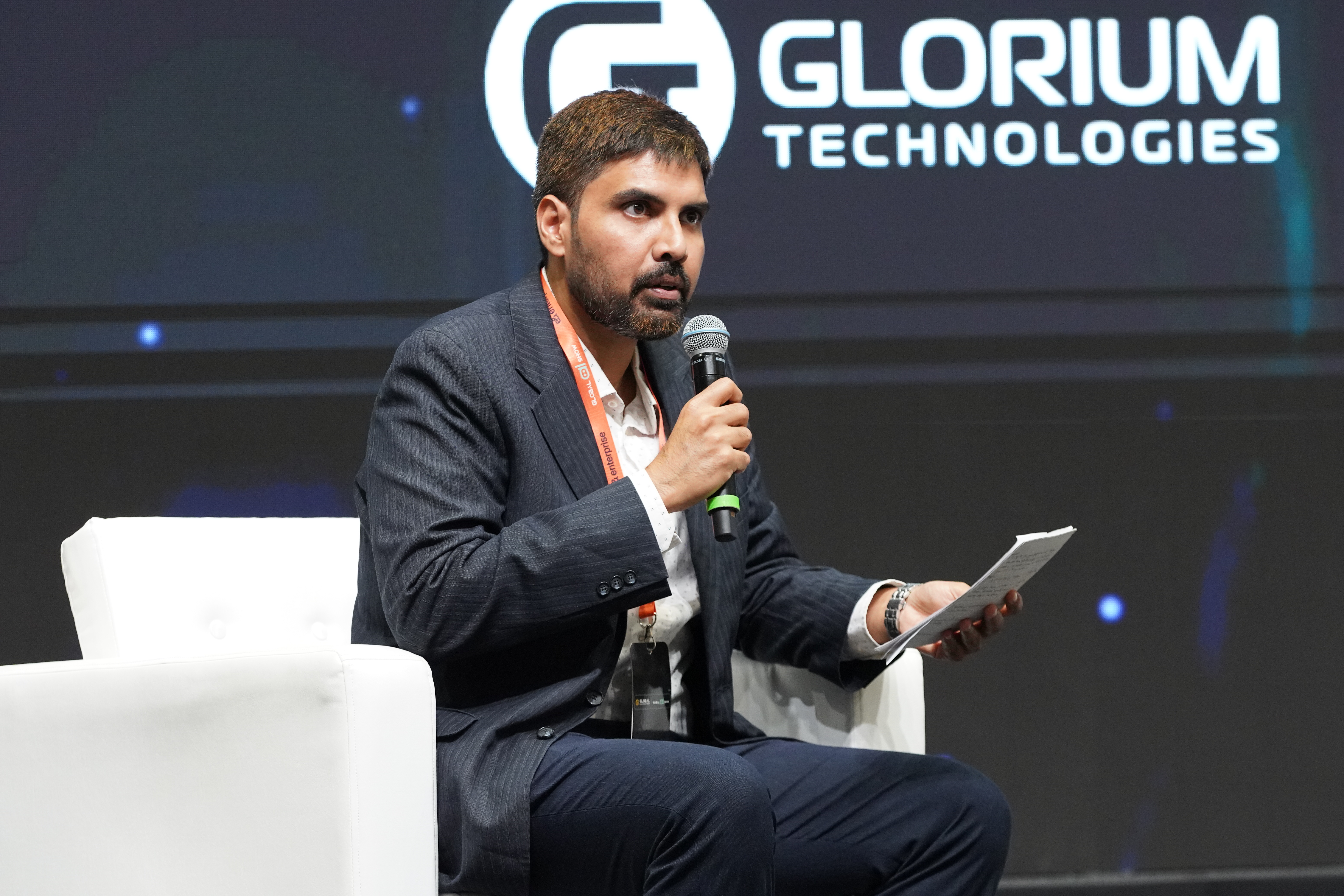
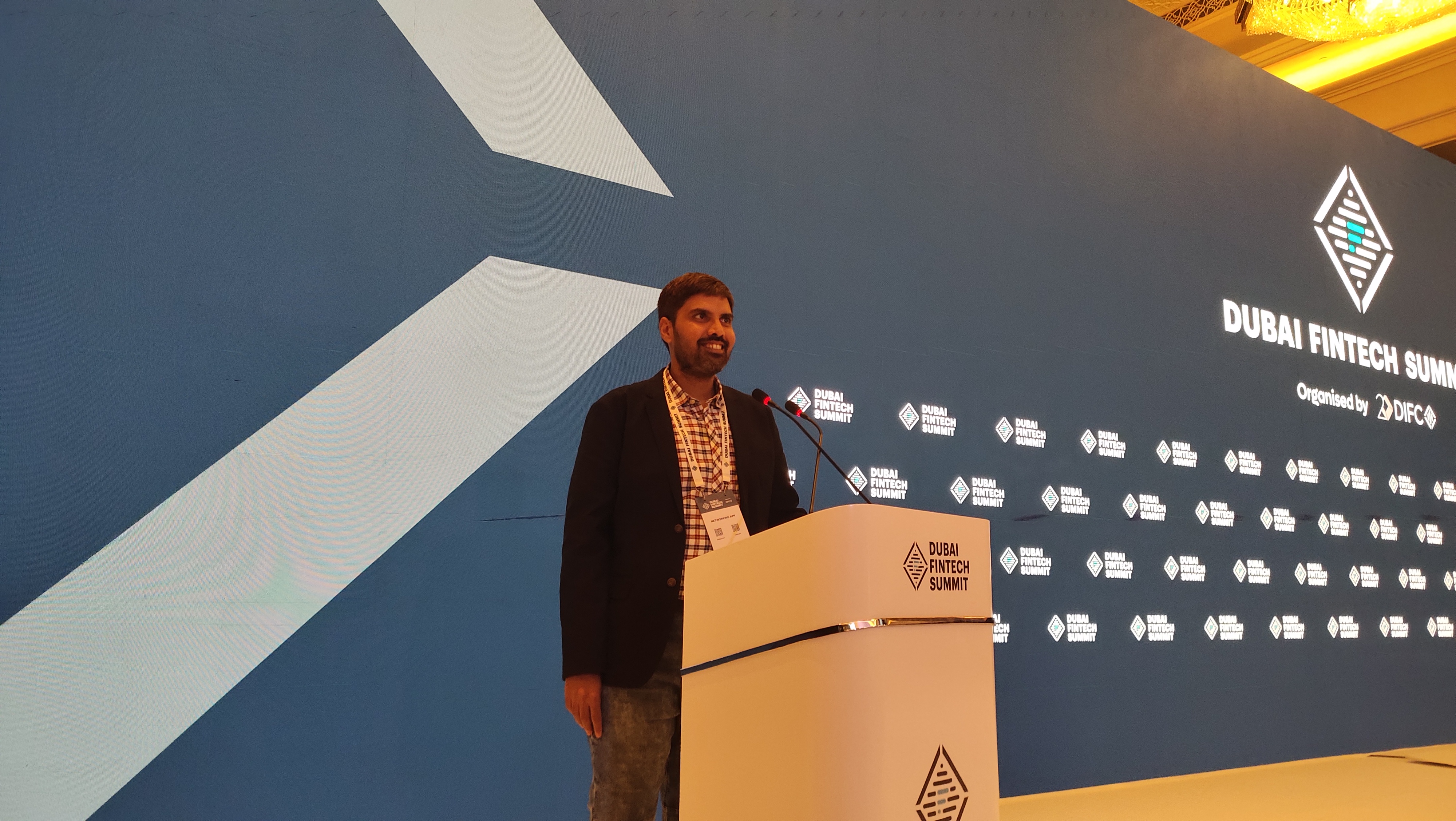
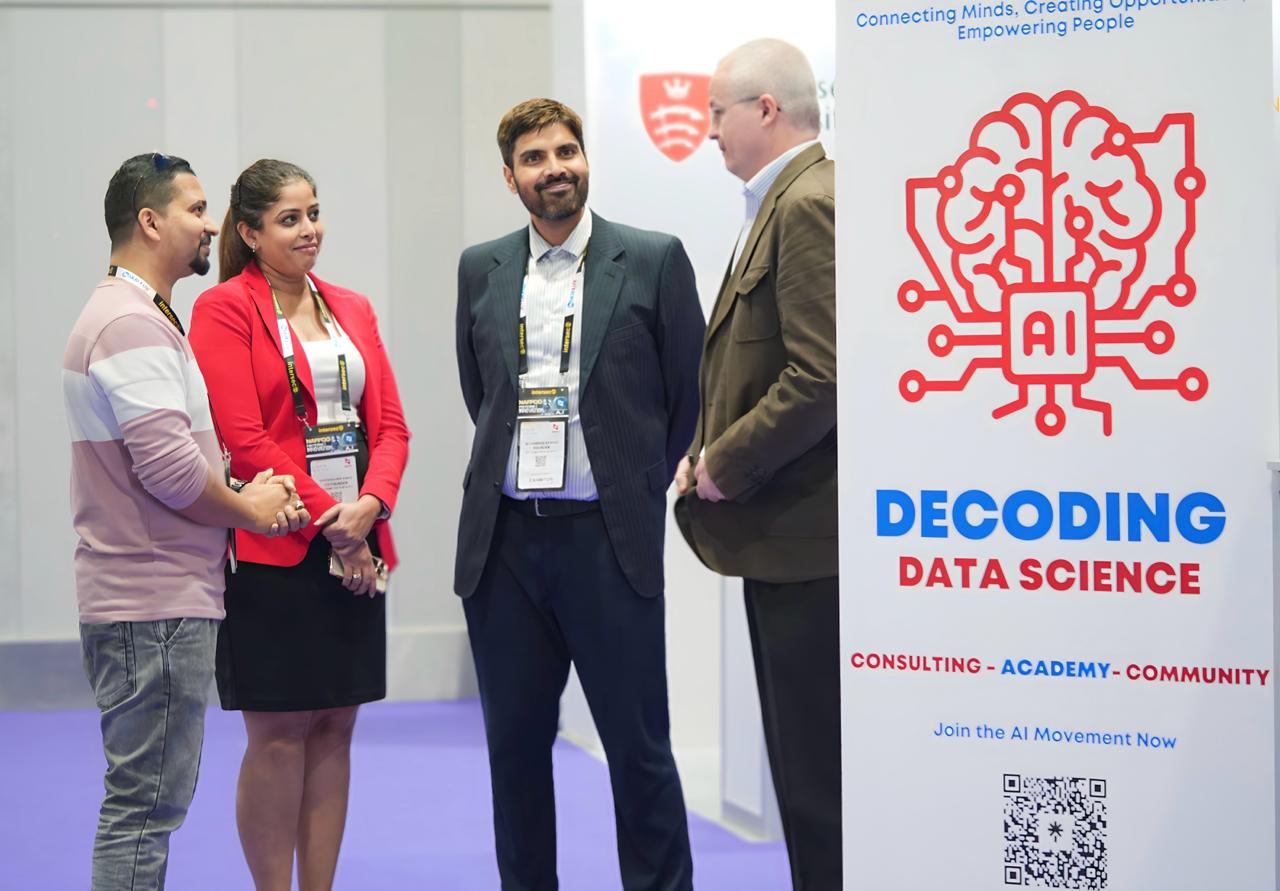
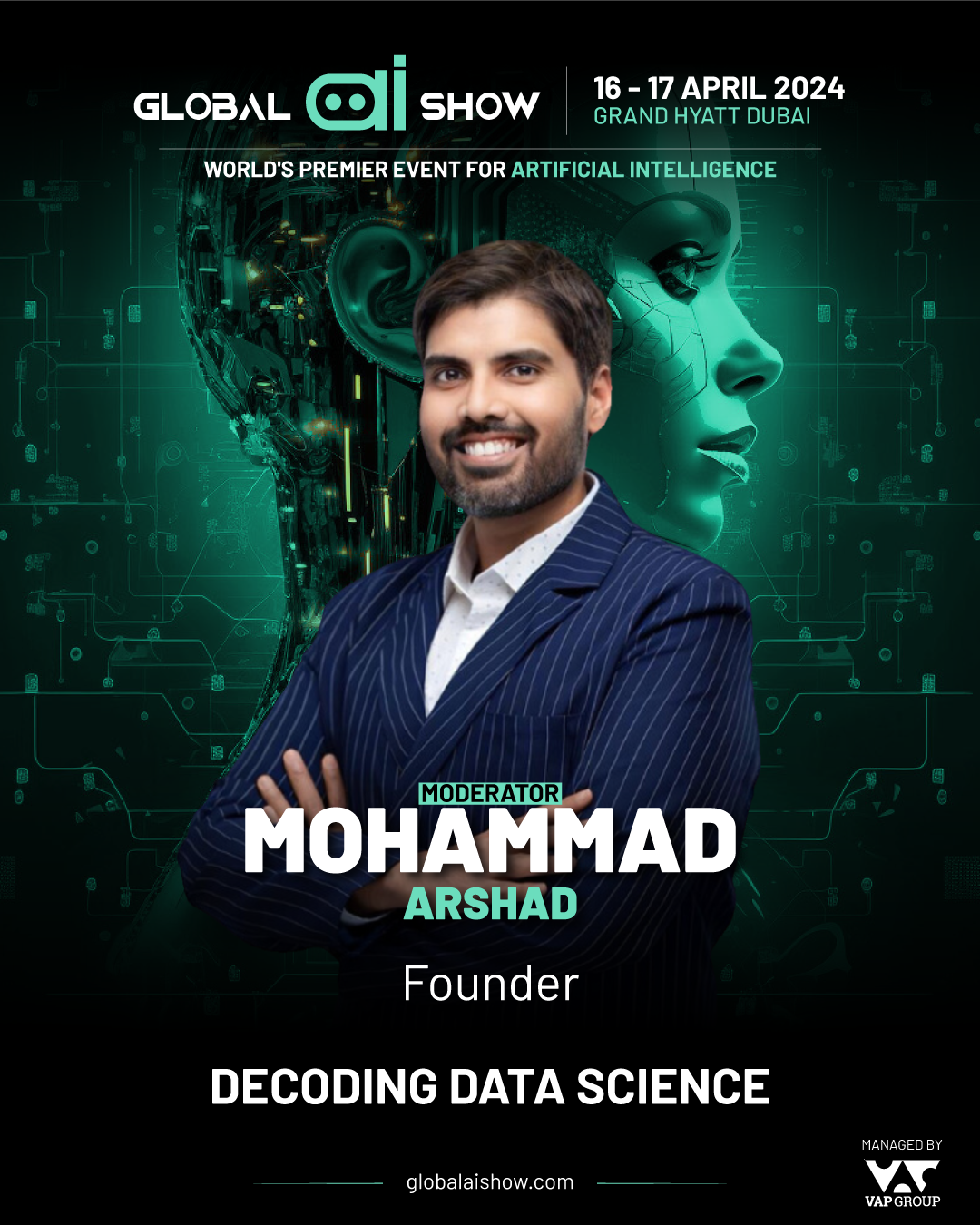
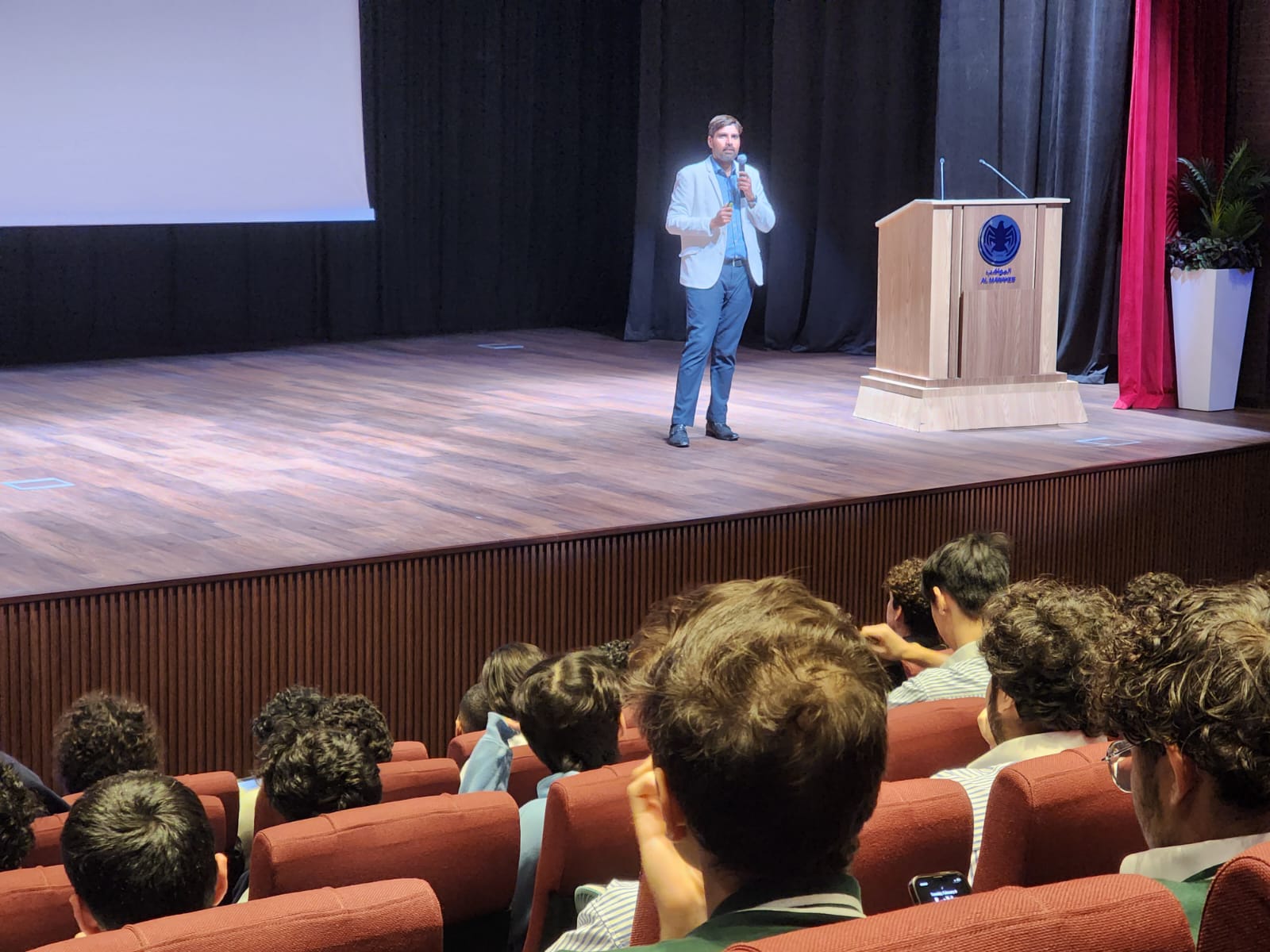
Meet Your Instructor

A Globally recognized expert in AI


With nearly two decades of experience, Mohammad Arshad has successfully enabled businesses to monetize their data and AI products. His technical and strategic expertise has helped 5 of the largest companies in the world, 10 SMEs, and 3 startups build effective Data and AI Strategies.


He founded Decoding Data Science in 2020, a successful AI Strategy consulting practice, and expanded into education in 2022 with the launch of DDS Academy.


Accenture, HP, Dell, LinkedIn, MAF, and other leading companies have recognized Mohammad as a Data Science and Strategy expert since 2005.


Mohammad Arshad has been teaching technical and non-technical audiences since 2008, making him a seasoned mentor and coach in the industry. He has helped 1000+ individuals get their Dream jobs.


Linkedin: 51K + Followers

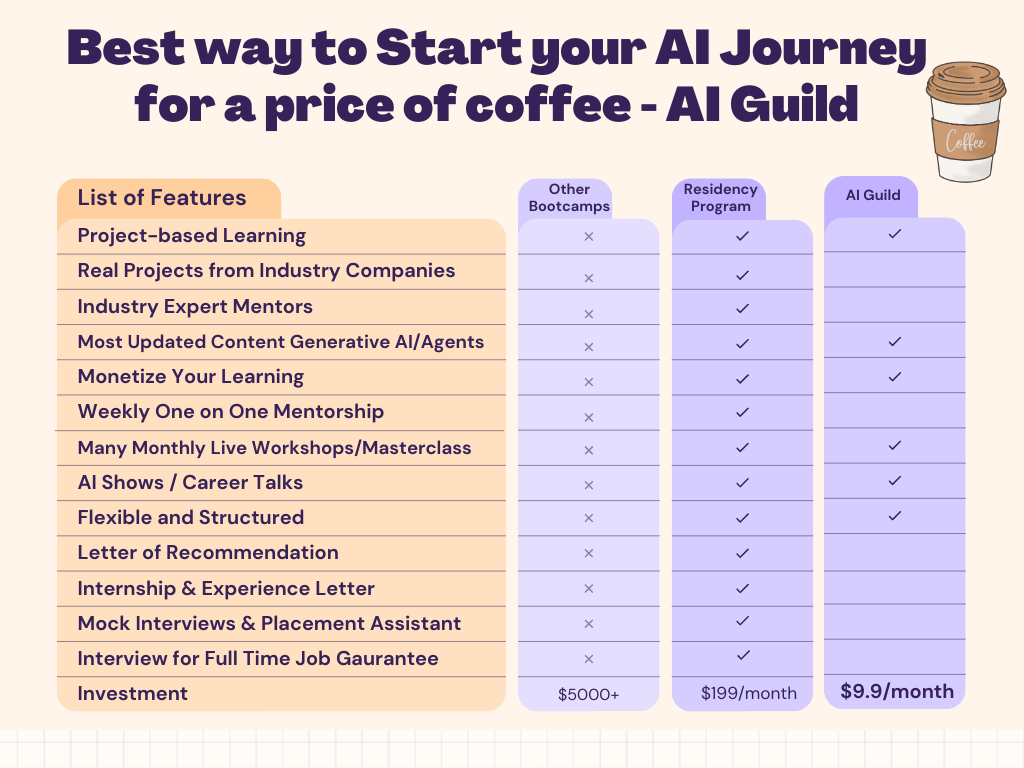
Gain Hands-on Industry Experience

Land Your Dream Job or Build Your Startup

Proven Success

High employment rate with residents hired by top companies worldwide.

Global Reach

Residents from over 50 countries have successfully completed the program.

Easy To Use

Project-Based Learning: Build your portfolio with real projects from leading companies

Monetize Your Learning

Freelancing, Startups and Collaborations

Flexibility

Online and self-paced program to accommodate your schedule.

Project-Based Learning

Build your portfolio with real projects from leading companies

What will you learn?

The most beginner-friendly self paced curriculum in Generative AI.

Zero to Pro in 6 months.

Environment & Packages

IDE & Best Practices

Python Data Type

Python Data Structures

Control Flow

Functions

Advanced Function Lamda, String, Random etc

How much Python you need

Panda

Numpy

Framework (Fast API)

Streamlit/ Gradio UI

API & JSON

Why do you want to use Git?

Install & Configure Git

How does Git Work?

Push your Code with Git

Make Changes to Files

World of Github

Generative AI for busy people

How LLM Works?

Hyper Parameters

Playground

Prompt Engineering

Open Source LLM

Models

Playground

Prompt Engineering

Transformers

Deploy Applications

Langchain

Llama Index

RAG

LLM Memory & Vector Embeddings

Deployment Models CI/CD

AWS/ mlflow

GPTs opensource Version

open Source assistant API

Crew AI , Lang graph , rivet

Build your own code interpreter

open Interpreter / self operating computer

Autogen

Linkedin

Resume / Portfolio

Enterpeneur Mindset

Communication

Staying upto Date

Project Automate Your Job with AI Agents

Correct way to Apply for Opportunities

Putting your AI Product on Marketplace

Get Mentored by the Future, Today

Image33
Michael Stattelman

CTO , Falcons.ai

I'm a seasoned innovator, driving cutting-edge technology projects across diverse sectors. Certified by Google and Nvidia in AI development and deployment, I lead transformative initiatives, articulating visionary concepts and igniting collective passion for unparalleled achievements. With deep technical understanding, I ensure visionary ideas translate into tangible plans, yielding concrete results. My impact spans Gaming, Pharma, and Precision Agriculture, leaving a legacy of game-changing projects that showcase the transformative power of strategic leadership in advanced AI.

Image33
Priya M Nair

CEO of ZWAG AI Solutions

Priya M. Nair is the Founder and CEO of ZWAG AI Solutions, a Conversational Tech company from the UAE serving clients globally. Using the latest Ai technology powered by our proprietary Language Model: Z-LANG 66B, we build solutions that connect humans and machines to deliver innovative and impactful

Image33
Lori Figueiredo

Change & Enablement Strategist Founder, SYZYGY

Lori partners with disruptive business leaders and technology leaders to shape the future by equipping them to develop future-ready and agile organization, teams and potential talent. She enables leaders to ensure the organization’s capability and culture building are aligned to the technology-led changes. Aligning TECH + TEAMS optimizes both to support the changing ways of working, learning and leadership behaviours and mindsets required.

Be a pioneer. Build the future

The Next Tech Revolution

Generative AI is at the forefront of the next technological revolution, reshaping industries from healthcare to entertainment.

High Demand, High Reward

As businesses seek to harness the power of AI, demand for skilled professionals in this field is skyrocketing.

Future-Proof Your Career

Gain skills that are not just in demand today but will be essential in the technologically advanced future

Frequently Asked Questions

Can't find an answer? Don't hesitate to reach out!

This course transcends rudimentary AI models like ChatGPT, delving into the intricate engineering facets of Generative Artificial Intelligence. Its primary objective is to furnish participants with hands-on experience in constructing GenAI products from the ground up. The curriculum encompasses advanced concepts and pragmatic applications, equipping learners with a comprehensive understanding of this cutting-edge domain.

This educational endeavor is an ideal fit for individuals harboring an intellectual curiosity about Generative Artificial Intelligence, professionals aspiring to pivot their careers towards the burgeoning field of GenAI, or any individual captivated by the prospect of crafting their own GenAI products from scratch.

You will immerse yourself in practical, hands-on projects that emulate real-world situations, enabling you to gain invaluable experience. These meticulously crafted projects are strategically designed to fortify your comprehension of Generative Artificial Intelligence and facilitate the development of an impressive portfolio, one that showcases your adeptness in constructing AI-driven products with proficiency.

Absolutely, upon the successful culmination of this course, you will be awarded a Professional Certificate from DDS, an esteemed recognition that attests to your hard-earned expertise in the dynamic realm of Generative Artificial Intelligence.

With businesses increasingly seeking to integrate AI into their operations, the demand for skilled GenAI professionals is rapidly growing. This course equips you with the relevant, up-to-date skills that are highly sought after in various industries, future-proofing your career.

What are Some of our Clients Saying

In short, the Data Analyst Program excels in the curriculum, providing guidance, and career services. I found this Program on Linkedin, the feel of it during the assessment process - they sounded like they knew what they were doing! They provided valuable feedback on the areas I needed to improve.

Sofia

Thanks for such great content Arshad. The course and content was brilliant, definitely a 5* rating for me. I will recommend to everyone who is serious to do data science jobs

Mariyam

Overall it was a session that helped me gain perspective. Arshad was brutally honest and talked to me as a real Mentor. Looking forward in future to having a more fruitful conversation with him.

Mohammed

I recently bought Data Analyst Track it was a fantastic learning experience. The course material was well-organized and the instructors were knowledgeable and approachable. The hands-on projects and group discussions helped me to solidify my understanding of key concepts and apply them in real-world situations.

Faiz

I never coded in my life, and was trying to Learn SQL for a long time, but when I enrolled in an SQL course , I mastered SQL within a month and got a job of 7 Lakhs per annum. Thanks for the wonderful course and helping freshers.

Pawan

The mentorship is great, and it's very crisp to the point. And they don't oversell like a lot of other companies do and make you the master one trade .

Yashvi

I had the opportunity to get guidance from Mr. Arshad, and I couldn't be happier with the experience. Mr. Arshad is not only highly knowledgeable in the Data Science field, but also had a wealth of experience and insight that he was eager to share with me.

Aishwarya

thank you for your simpley way to explain the subjects, wich you the best.

Marwan

Excellent academy and I recommend it if you wish to pursue a career in data science, etc. They have crafted a great program that will increase your chances of getting a job. I have 30 years of experience in the computing/business world and I see the value in this.

Patrick

I recently had a one-to-one consultation session with Mohammad Arshad, and it turned out to be a very insightful one. He gave me some recommendations on how to optimize my LinkedIn profile and improve my Content strategies. And the best part was these were not generic recommendations. They were based on data. He had actually looked at my LinkedIn data and provided pin-pointed insights based on the analysis of that data. That's when I understood why people call him a data scientist. He made a nifty little dashboard to help me make decisions before doing any linkedin posts. I would easily recommend Mohammad Arshad to anyone who wants an analytical look at their LinkedIn presence and make their content strategy more effective based on data-backed insights. In fact, not just Linkedin; I would recommend you to talk to him for any kind of Data Analysis !!

Hemant

Really helped me to clear my doubts and guided me towards a direction.

Aiman

I've taken the LinkedIn Growth Mastery Course and I it indeed deserves 5 stars as it has valuable information and tips that are supported with statistics which ensures you that if you were to follow the tips your LinkedIn profile will bloom to help you find the job you always wanted, or grow your company at a faster rate. I would recommend anyone who wants to grow in LinkedIn or grow his business to follow and take this course as it will always have valid tips that would be useful for many years to come! I would like to thank Mohammad Arshad and his new found company 'Decoding Data Science' for creating an amazing course like this and would love to check out more courses in the future!

Azzam

Mr. Arshad is such a humble and nice person. He has given me great advice, which I will follow in my future career. I hope to be in touch in the future.

Meher

Great course! Highly recommended.

Oskar

Great course, learnt basic python and the importance of data science, I created a project which included the analysis of the indian premier league (IPL). Thank you very much arshad sir for all of the help.

Ahaan

Perfect platform for data science and Artificial intelligence enthusiasts. I joined the community and instantly started getting value for my membership. I recommend any data science student, professional or related interest to join so as to gain hands on experience.

Chidozie

Thanks to Mr. Arshad, I was able to develop my skills in AI with Python. His way of teaching is incredible and he has all the knowledge required to be a great teacher. Learning from him during the AI cohort helped me in winning the first place in an AI Hackathon. I learned that AI is not as scary as we think and we can all build AI projects with few lines of code including UI and deployment.

Adeeb

Decoding Data Science builds bridges and fosters collaboration within its global community. By offering rich networking opportunities, it enhances professional journeys, enabling students to learn from both their peers and industry experts. Mentor Mohammad Arshad, an experienced data scientist, provides personalized advice. His guidance transcends traditional learning methods, driving career growth and skill development.

Mahesh

Decoding Data Science hosted a great hackathon! What a great learning experience for the community

Alora

I like the learning on this platform.

Barry

Amazing Challenge and Rewarding experience along with the remarkable community cohesion. Overall its a superb community

Fazin

The Low Code No Code challenge gave me the chance to learn and experiment with LCNC platforms and hopefully it will be a great start to improve my skills

Samer

I would like to express my heartfelt gratitude to Mr. Mohammad Arshad and the Decoding Data Science Community for their exceptional efforts in organizing and sponsoring impactful activities and challenges. Their unwavering commitment to fostering professional growth has been truly inspiring. In particular, the guidance provided during the LinkedIn enhancement challenge was nothing short of transformative. Their mentorship not only encouraged us to step out of our comfort zones but also illuminated the path to a more refined and purposeful professional journey. Thank you, Mr. Mohammad Arshad and the Decoding Data Science Community, for your dedication and for creating an environment where learning and growth thrive. Your efforts are making a significant difference in shaping careers and building a stronger professional community.

Basem

I am deeply grateful to Mr. Mohammad Arshad and the Decoding Data Science community for their remarkable dedication to empowering data science and AI enthusiasts. Joining this community has been a transformative experience, providing immense value from the very beginning.

Iyad

Excellent way of teaching and dissemination of information.

Nikesh Narayanan

The LinkedIn challenge led by Mr. Arshad from Decoding Data Science, and it was a game-changer! The session covered everything one needs to know about leveraging LinkedIn effectively—from optimizing your profile and building meaningful connections to engaging with content and aligning your activity with personal and professional goals. Mr. Arshad’s clear explanations, actionable tips, and step-by-step guidance made the learning process enjoyable and impactful. By the end of the challenge, I felt empowered to confidently navigate LinkedIn as a tool for growth and networking. I highly recommend this challenge to anyone looking to maximize their LinkedIn potential—thank you, Mr. Arshad, for such a valuable experience!

Muhammad

Useful

Dr Nadeem

The course contains a cohere way forward path for GAI from AI Strategy defining, building GAI Tool Kit to specific agents use.

Basem

Very good quiz. Thorough test of Python fundamentals.

Krish-Kovilur

This course is really very good live session with Arshad is amazing , he is truly amazing instructor.

Mohammed Anfal

🌟 Decoding Data Science Residency Program – A Truly Transformative Experience! 🌟 The Decoding Data Science Residency Program exceeded all my expectations. From day one, the program delivered an exceptional blend of hands-on learning, mentorship, and real-world applications that truly accelerated my journey in data science and AI. What sets DDS apart is its community-driven approach and focus on practical outcomes. The curriculum is thoughtfully structured to cover cutting-edge topics like LLMs, RAG pipelines, GenAI orchestration, and data engineering, while also helping participants build impactful projects under expert guidance. The mentorship and feedback from seasoned industry professionals was invaluable — they not only guide you technically but also help sharpen your thinking, storytelling, and presentation skills. Thanks to DDS, I was able to build and showcase projects that mirror real-world business challenges, collaborate with brilliant peers, and gain visibility in the AI ecosystem. The exposure to hackathons, industry challenges, and a network of AI builders was incredibly motivating. I highly recommend the DDS Residency Program to anyone who wants to go beyond theory and build a strong, industry-relevant portfolio in data science and AI. 🚀

Faizal

I recently completed a LinkedIn challenge hosted by Decoding Data Science, and it exceeded my expectations. The challenge was well-structured, with daily tasks that helped me engage more actively and intentionally on LinkedIn. Each day encouraged me to take small, meaningful actions—whether updating my profile, writing thoughtful posts, or connecting with people in my industry. These steps helped me become more consistent and confident in how I show up on the platform. I appreciated how the challenge balanced practical tools (like prompt templates and content tips) with community encouragement. It wasn’t just about visibility—it was about clarity and purpose. Overall, it was a helpful experience for anyone looking to build professional presence online in a guided, supportive way.

Syed

World Class Teaching with Unmatched Passion I’ve been with Decoding Data Science as a Learner, a Leader, a Mentor, a Volunteer and Thought Leader. Mr Arshad is a passionate individual, a transformative teacher and has the most amazing heart-centred approach to community building I’ve come across. Highly recommended. Join to learn, be supported, meet amazing people and make a difference.

Oghale

A great Learning through LinkedIn Challenge. Great shout out to DDS and team under the guidance of Mr. Arshad. Was able to optimize my LinkedIn Profile. A Great platform to professionally engage. Happy Learning !

Seena

Great! Informative videos

Adam

Highly recommend! This is the best Python course for anyone looking for concise lessons and a smooth learning curve. Thank you for the opportunity!

Faiyaz

Nice tutorial for begineer

Murtaza

great

Namra

Amazing course! Puts python really simply, with great material in github! I had some doubts, but Mr. Arshad took it seriously and uploaded a guide video for the final project! Really appreciate it! amazing!

Adam

Special Discount for Action Takers FOR Yearly Membership

Days

Hours

Minutes

Seconds
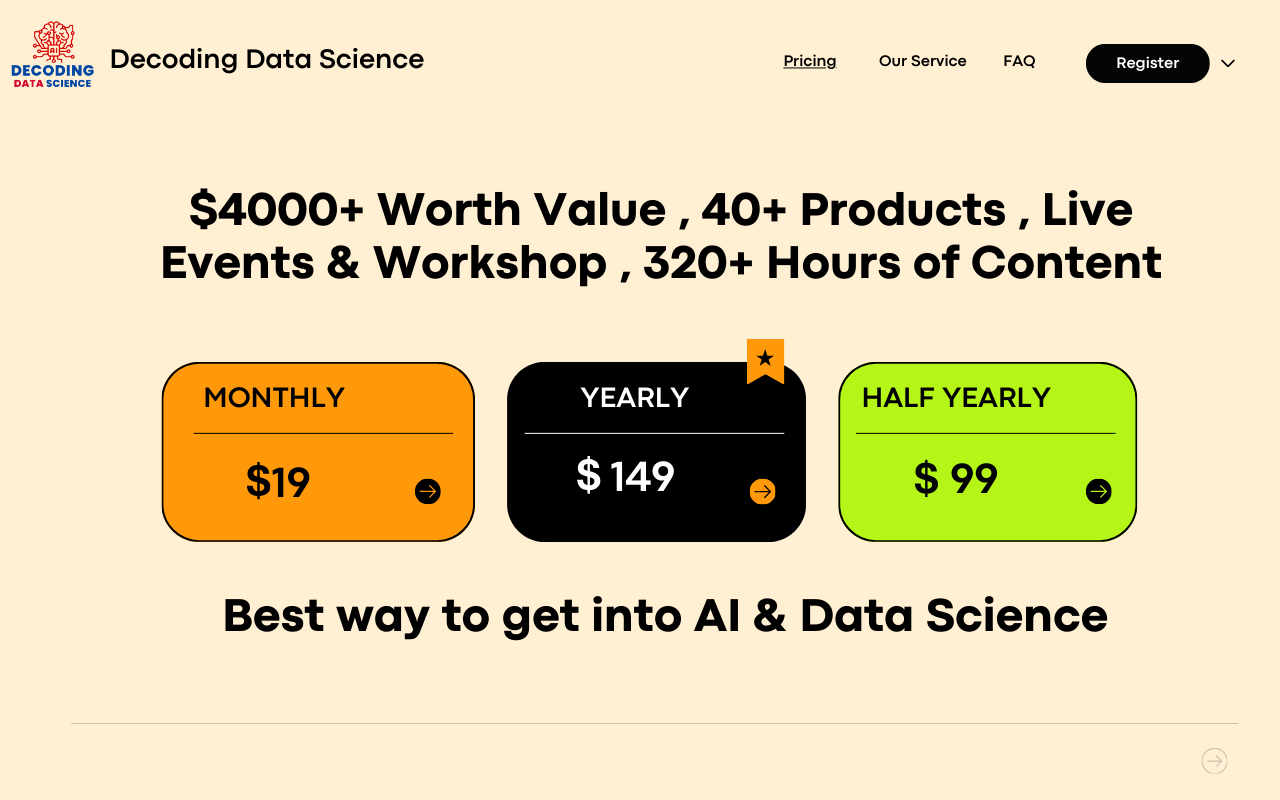
Image12

Any Questions about AI Guild

Get Verified Certificate for Foundational Skill add on Linkedin
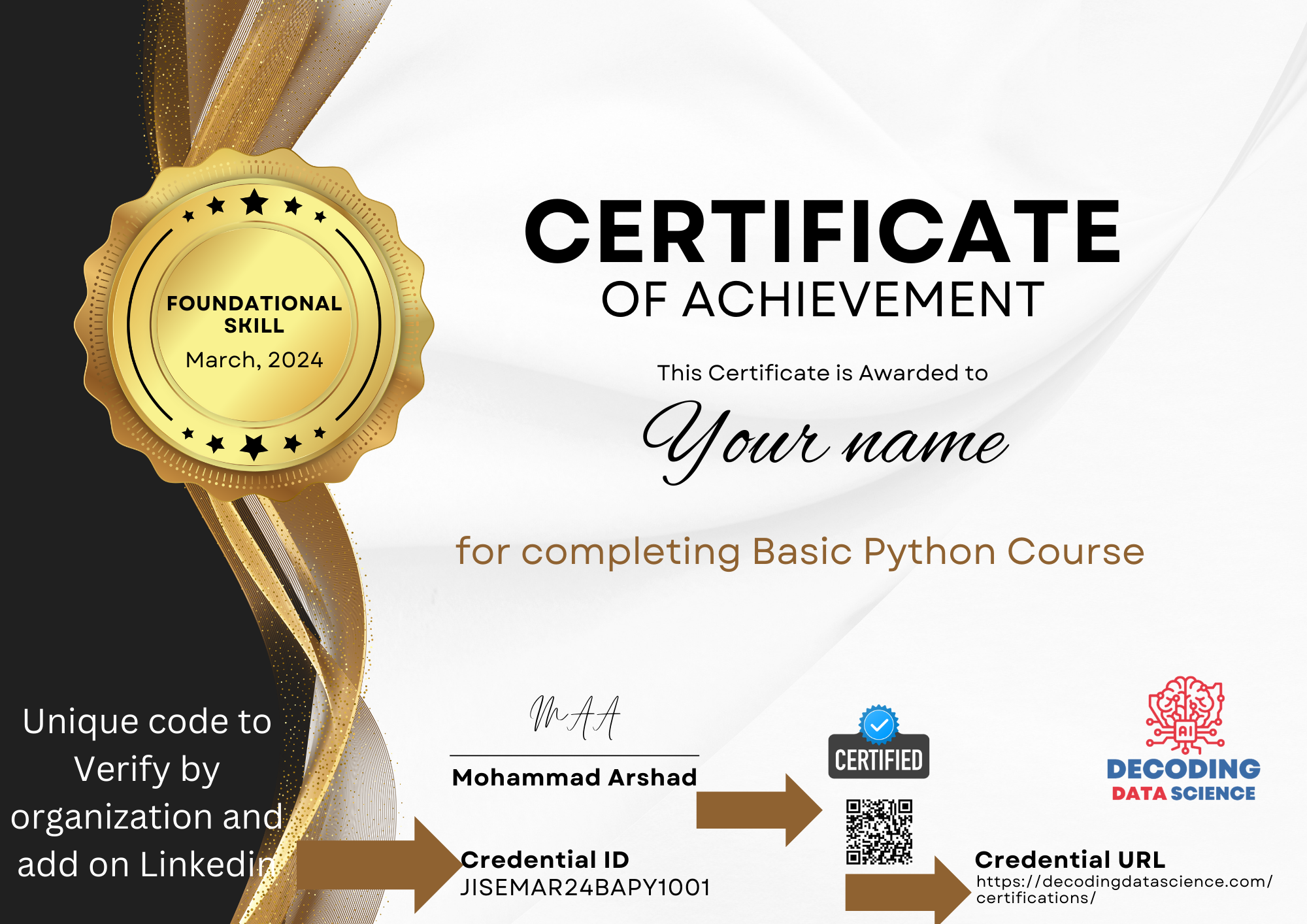
Image12

Have any Doubts?

We offer a 100% satisfaction guarantee on all of our courses. If you're not completely satisfied within the first 30 days of enrollment, we'll provide you with a full refund, no questions asked.*

Image14

20 Week Based Cohort

Most comprehensive program to learn AI

1. Understanding Generative AI

--- 1.1 What is Generative AI?

--- 1.2 Generative AI in Action

--- 1.3 Generative AI in Action

2. Python Basics

--- 2.1 Python Essentials for Beginners

--- 2.2 Writing Your First Python Program

--- 2.3 Control Flow and Functions in Python

3. Setting Up Your Environment

---3.1 Installing Python and IDEs

---3.2 Working with Virtual Environments

---3.3 Introduction to Command Line for Python

1. UI Design Principles

---1.1 UI Design Essentials

--- 1.2 Tools for Designing Application Interfaces

---1.3 Prototyping Your Application Interface

2. Version Control with Git

---2.1 Introduction to Git and Version Control

---2.2 Common Git Commands

---2.3 Resolving Git Conflicts

3. Common Git Commands

---3.1 Setting Up and Using GitHub

---3.2 Collaborating with Teams on GitHub

---3.3 Managing GitHub Repositories Effectively

1. Understanding GROQ

---1.1 Introduction to GROQ

---1.2 Why GROQ is Important for AI Applications

---1.3 Exploring GROQ Syntax and Functions

2. Working with APIs in Python

--- 2.1 Understanding APIs and REST Principles

--- 2.2 Making HTTP Requests with Python

--- 2.3 Parsing API Responses

3. Building Your First Python App

---3.1 Structuring a Python Application

---3.2 Integrating APIs into Your Python Application

3.3 Error Handling and Debugging in API Calls

1. Understanding Large Language Models (LLMs)

---1.1 Introduction to LLMs

---1.2 How LLMs Generate Text

---1.3 Open Source and Closed Source

---1.4 Popular LLMs in the Industry

2.Exploring the LLM Playground

---2.1 Setting Up and Accessing the Playground

---2.2 Experimenting with Prompts

---2.3 Evaluating Model Outputs

3. Building Practical Understanding

---3.1 Customizing Prompts for Specific Tasks

---3.2 Limitations of LLMs

---3.3 Applications of LLMs Across Industries

1. Basics of Generative AI Configuration

---1.1 Understanding Generative AI Configurations

---1.2 Exploring Key Parameters (Temperature, Max Tokens, Top-p)

---1.3 Customizing Configurations for Specific Tasks

2. Comparing and Choosing LLMs

---2.1 Overview of Major LLMs (GPT, Claude, Llama, etc.)

---2.2 Strengths, Limitations, and Use Cases of LLMs

---2.3 Accessing and Using LLM APIs

3. Building and Presenting Your 2nd Project

---3.1 Implementing the Project with Configured LLMs

---3.2 Documenting Configuration Choices and Results

---3.3 Showcasing Your Project to Stakeholders

1. Introduction to LLM Wrappers

---1.1 Understanding the Purpose of LLM Wrappers

---1.2 Designing Wrappers for Efficiency and Scalability

--- 1.3 Exploring Tools and Libraries for Building Wrappers

2. Managing Function Calls with LLMs

---2.1 Introduction to Function Calls in LLMs

---2.2 Implementing API Calls for AI-Powered Applications

---2.3 Handling Errors and Debugging Function Calls

3. Data Integration Techniques

---3.1 Connecting LLMs to External Data Sources

---3.2 Preprocessing and Cleaning Data for Integration

---3.3 Building Real-Time Data Pipelines for LLMs

4. End-to-End Project: Building an Integrated LLM Solution

---4.1 Defining Project Goals and Architecture

--- 4.2 Building and Testing Your Integrated Solution

--4.3 Documenting and Presenting Your Project

1. Introduction to Hugging Face Ecosystem

---1.1 Overview of Hugging Face and Its Role in AI

---1.2 Key Tools and Libraries in the Hugging Face Ecosystem

---1.3 Exploring Pre-trained Models and Datasets

2. Building Your Open-Source Project

---2.1 Setting Up Your Project Repository on GitHub

---2.2 Selecting and Fine-Tuning Pre-trained Models

---2.3 Creating a Reusable and Documented Project

3. Contributing to the Open-Source Community

---3.1 Understanding Open-Source Contribution Standards

---3.2 Best Practices for Code Quality and Documentation

---3.3 Submitting Pull Requests and Engaging with the Community

4. Finalizing and Showcasing Your Project

---4.1 Testing and Deploying Your Open-Source Project

---4.2 Writing a Clear and Engaging README File

---4.3 Presenting Your Project to the AI Community

1. Understanding Retrieval-Augmented Generation (RAG)

---1.1 What is RAG and Why It Matters

---1.2 What is RAG and Why It Matters

---1.3 Benefits and Use Cases of RAG

2. Introduction to Llama Index

---2.1 Overview of Llama Index

---2.2 Setting Up and Exploring Llama Index

---2.3 Integrating Llama Index with LLMs

3. Building a RAG System with Llama Index

---3.1 Designing a RAG Pipeline

---3.2 Implementing the RAG Workflow

---3.3 Testing and Optimizing the RAG System

4. Finalizing and Presenting Your RAG Project

---4.1 Documenting Your RAG System

---4,2 Deploying the RAG System

---4.3 Showcasing Your Project on linkedin and github

1. Understanding Vector Embeddings

---1.1 What is a Vector Database and Why Use It?

---1.2 Building a Search-Enhanced Generative AI Application

---1.3 Optimizing Query Performance in Vector Databases

2. Introduction to Vector Databases

---2.1 Designing Your Vector Embedding and Database Project

---2.2 Implementing and Testing the Solution

---2.3 Setting Up Your First Vector Database

3. Integrating Vector Databases with Generative AI

---3.1 Combining Embeddings with Generative AI Models

---3.2 Building a Search-Enhanced Generative AI Application

---3.3 Optimizing Query Performance in Vector Databases

4. Building and Deploying a Vector-Powered AI Solution

---4.1 Designing Your Vector Embedding and Database Project

---4.2 Implementing and Testing the Solution

---4.3 Deploying and Demonstrating Your AI Solution

1. Deep Dive into RAG Concepts

---1.1 Revisiting RAG Fundamentals

---1.2 Advanced Retrieval Strategies

---1.3 RAG in Complex Use Cases

2. Advanced Tools and Techniques for RAG

---2.1 Implementing RAG with Vector Databases

---2.2 Optimizing RAG Performance

---2.3 Handling Large-Scale Datasets in RAG

3. Integrating Advanced RAG with Generative AI

---3.1 Combining RAG with LLM APIs

---3.2 Building Context-Aware Generative AI Systems

---3.3 Error Handling and Troubleshooting in RAG Pipelines

4. Designing and Deploying an Advanced RAG Project

---4.1 Planning a RAG Solution for Real-World Applications

---4.2 Implementing Advanced RAG Pipelines

---4.3 Showcasing and Deploying Your RAG Project

1. Understanding Tokenization

---1.1 What is Tokenization?

---1.2 Types of Tokenization (Word, Subword, and Character)

---1.3 Tokenization Challenges and Solutions

2. Preprocessing Data for Fine-Tuning

---2.1 Data Cleaning and Normalization

---2.2 Handling Large and Imbalanced Datasets

---2.3 Formatting Data for Fine-Tuning LLMs

3. Tools and Libraries for Tokenization and Preprocessing

---3.1 Tokenization with Hugging Face Tokenizers

---3.2 Automating Preprocessing with Python Libraries

---3.3 Handling Multilingual and Specialized Data

4. Fine-Tuning Ready: Building and Validating the Dataset

---4.1 Combining Tokenization and Preprocessed Data

---4.2 Validating and Debugging the Dataset

---4.3 Finalizing the Dataset for Fine-Tuning

1. Introduction to Fine-Tuning LLMs

--- 1.1 Why Fine-Tune LLMs?

--- 1.2 Overview of Fine-Tuning Approaches

--- 1.3 Challenges in Fine-Tuning

2. Parameter-Efficient Fine-Tuning (PEFT)

--- 2.1 What is PEFT?

--- 2.2 Low-Rank Adaptation (LoRA) Basics

--- 2.3 Advanced LoRA Concepts

3. Exploring Quantized LoRA (QLoRA)

--- 3.1 Introduction to QLoRA

--- 3.2 Key Optimizations in QLoRA

--- 3.3 Comparing LoRA and QLoRA

4. Hands-On Fine-Tuning Project

--- 4.1 Dataset Preparation

--- 4.2 Model Training

--- 4.3 Deployment and Monitoring

1. What is Chain of Thought (CoT) Prompting?

--- 1.1 What is Chain of Thought (CoT) Prompting?

--- 1.2 Applications of CoT in AI Tasks

--- 1.3 Types of CoT: Zero-shot vs. Few-shot CoT

--- 1.4 CoT in Math, Reasoning, and Multi-Step QA

2. ReACT Prompting

--- 2.1 What is ReACT? (Reason + Act Framework)

--- 2.2 How ReACT differs from CoT

1: Introduction to LangChain

--- 1.1 What is LangChain?

--- 1.2 Key Concepts and Architecture

--- 1.3 LangChain vs. Traditional LLM Workflows

--- 1.4 Core Components: LLMs, Chains, Agents, Tools, Memory

--- 1.5 Use Cases in Real-World AI Applications

2. LangChain Basics

--- 2.1 Connecting to LLM Providers (OpenAI, Hugging Face)

--- 2.2 Prompt Templates: Static and Dynamic

--- 2.3 Chains

--- 2.3.1 LLMChain

--- 2.3.2 SequentialChain

--- 2.4 Memory

🧠 3. Agents and Tools

--- 3.1 What are LangChain Agents?

--- 3.2 ReAct Agent and Tool Integration

--- 3.3 ZeroShotAgent vs. Tool-using Agent

📚 1. Retrieval-Augmented Generation (RAG)

---1.1 RAG in Langchain

--- 1.2 Chunking, Embeddings: OpenAI & Sentence Transformers

--- 1.3 Vector Stores: FAISS, Chroma, Pinecone

--- 1.4 Document Loaders & Text Splitters

--- 2.1 LangChain with APIs: Calling and Wrapping

--- 2.2 Creating API-based Agents (Weather/CryptoBot example)

--- 2.3 Building Modular Apps with LCEL (LangChain Expression Language)

--- 2.4 Building Custom Agents and Toolkits

3. LangChain Deployment, Testing, and Monitoring

--- 3.1 Frontend Options ( Gradio/Streamlit)

--- 3.2 Backend Integration (FastAPI + LangChain)

--- 3.3 LangChain Tracing and Debugging:  • LangSmith integration     • Visualizing chains and agents

1. Introduction to Multi-Agent Systems

--- 1.1 What Are AI Agents and Multi-Agent Systems?

2. Getting Started with CrewAI

--- 2.1 Overview of CrewAI Framework

--- 2.2 Installation and Environment Setup

--- 2.3 Understanding agents.yaml and crew.yaml Files

3. Designing Agents and Roles

--- 3.1 Defining Roles, Tasks, and Goals

--- 3.2 Creating Specialized Agents

--- 3.3 Writing Effective Prompts for Agent Collaboration

4. Orchestrating the Crew

--- 4.1 Running CrewAI Pipelines

--- 4.2 Sequential vs Parallel Execution Modes

--- 4.3 Monitoring, Logging, and Debugging Agents

5. Tool and Memory Integration

--- 5.1 Integrating External Tools (APIs, DBs, Web Browsers)

--- 5.2 Managing Context and Short-Term Memory

6. Real-World Project: AI Research Crew

1. Introduction to LangGraph

--- 1.1 What Is LangGraph and Why Use It?

--- 1.2 Core Concepts: Nodes, Edges, States, and Agents

--- 1.3 Comparing LangGraph with LangChain and CrewAI

2. Setting Up LangGraph

--- 2.1 Installation and Environment Setup

--- 2.2 Overview of Project Structure

--- 2.3 Key Components: State, Graph, ToolNode, and LLMNode

3. Designing LangGraph Workflows

--- 3.1 Creating and Registering Nodes (LLMs, Tools, Functions)

--- 3.2 Defining State Objects and State Transitions

--- 3.3 Building Graph Topology: Sequential, Branching, and Cyclic

4. Hands-On Mini Project

--- 4.1 Build a Task Routing Agent (LLM + Tool + If-Else Branching)

--- 4.2 Add External Tool/API (e.g., web search or database call)

--- 4.3 Run, Test, and Optimize Flow

1. Introduction to MCP & Agent Collaboration

--- 1.1 What Is MCP and Why Use It?

--- 1.2 Core Concepts: Clients, Servers, Tools, Resources, Prompts

--- 1.3 MCP vs. Function Calling, Plugins, and Webhooks

--- 1.4 Agent-to-Agent Basics: Roles, Messages, Shared Context

2.Build & Test an MCP Server

--- 2.1 Scaffold — Generate minimal Python server; project layout; env/secret

--- 2.2 Add One Tool + One Resource — Define schemas, idempotency, guardrails.

--- 2.3 Wire a Client — Register locally; invoke tool/resource from an agent/chat; sanity tests.

3. Agent-to-Agent Mini-Workflow

--- 3.1 Roles & State — Researcher (retrieval) ↔ Writer (synthesis); shared context (Blackboard)

--- 3.2 Flow Logic — Simple routing: if retrieval succeeds → summarize; else → fallback/tool retry.

--- 3.3 Safety & Budgets — Least privilege, rate limits, cost caps, timeouts/retries.

--- 3.4 Quick Observability — Minimal logging, run IDs, keeping artifacts for review.

4.Ship & Evaluate

--- 4.1 Runbook— Start/stop, secrets rotation, failure modes, kill-switch.

--- 4.2 Micro-Evaluation — 5 test prompts; track correctness, latency, cost; quick triage loop.

--- 4.3 Observability: Logging, Tracing, Audit Trails

5. Multi-Agent Patterns

1. Foundation

--- 1.1 Why Security & Ethics Matter

--- 1.2 Risk Taxonomy for LLM Apps

--- 1.3 Ethical Principles & Governance

2. Attack Patterns (Know the Offense)

--- 2.1 Prompt Injection & Indirect Prompt Injection

--- 2.2 Jailbreaks & Safety Bypass

--- 2.3 Data Leakage / Exfiltration

--- 2.4 Tool & Function Misuse

3. Defense-in-Depth Guardrails

--- 3.1 Input Hardening

--- 3.2 Tool Layer Controls

--- 3.3 Output & Policy Enforcement

--- 3.4 Retrieval & RAG Hygiene

4. Runtime Hardening. Observability & Red Teaming

--- 4.1 Sandboxing: no-network defaults, FS jails, capability bounds

---4.2 Red-Teaming & Evaluation

--- 4.3 Metrics: attack success ↓, containment ↑, FP/FN, cost/latency

5. Governance & Compliance

--- 5.1 Data handling: minimization, retention, consent

---5.2 Bias review & appeals workflow

--- 5.3 Policies, approvals, audit trail

1. GenAI Evaluation Framework

--- 1.1 Analyze — Define task goals (accuracy, faithfulness, safety, UX), user contexts, failure hypotheses; scope golden/adversarial datasets and coverag

--- 1.2 Measure — Metrics for correctness (exact/semantic), groundedness/citations, safety

--- 1.3 Open Coding — Tag failures (unsupported_claim, missing_citation, retrieval_miss, tool_arg_error,

--- 1.4 Axial Coding — Cluster labels into themes (retriever quality, prompt spec, judge drift, schema

2. Evaluation Types

--- 2.1 Automatic — String/semantic match, rubric scoring, LLM-as-judge (with safeguards).

--- 2.2 Human-in-the-loop — Side-by-side, MOS-style, expert panels.

--- 2.3 Task-specific — QA, summarization, reasoning/tool-use, code-gen, agent workflows.

3. Test Assets & Datasets

--- 3.1 Golden sets — Curated Q/A with references and expected traits.

--- 3.2 Adversarial sets — Tricky prompts, counterfactuals, noise, injection-like inputs.

--- 3.3 Sampling & coverage — Topic/difficulty/edge-case balance; seed control.

--- 3.4 Data ethics — Consent, privacy, licensing, redaction.

4. Metrics & Scoring

--- 4.1 Correctness/utility: EM/F1/semantic, rubric scores.

--- 4.2 Faithfulness: citation precision/recall, attribution rate.

--- 4.3 Safety: leakage/jailbreak/toxicity; refusal appropriateness.

--- 4.4 Ops: latency, throughput, cost; stability across seeds.

5. RAG & Tool-Specific Evaluation

--- 5.1 Retrieval: Recall@k, MRR/NDCG, context overlap.

--- 5.2 Grounding: supported-claim checks, hallucination flags.

--- 5.3 Tools: schema conformance, side-effects, idempotency.

6. Automation & CI

--- 6.1 Eval harness: fixtures, seeds, traces, artifact store.

--- 6.2 Regression suites: canary prompts, dashboards, alerts.

--- 6.3 Calibrate LLM-as-judge: clear rubrics, multi-judge voting, spot audits.

no curriculum

no curriculum